
The most expensive brands don’t score the highest.
Each logo marks a brand’s middle scope — half its lineup scores better, half worse. The higher the logo, the higher its HuntGrade score; the further right, the more it costs.
Who actually made the sensor in your scope?
Behind 14 brand names and 155 scopes there are just 7 sensor sources. We traced each one through FCC filings and teardown evidence, not marketing pages — and where no maker is named, we say so.


“Made in USA” usually means the scope was assembled here, not where the sensor was made.
Two different questions that often have different answers: who makes the sensor, and who assembles the finished scope. Tap a brand for both answers.
A scope is a sensor and a lens working together — and only certain pairings get built.
Pick your sensor class. These are the lens sizes it’s actually sold with, and how many scopes carry each one — drawn at their real relative sizes.
Past $4,079.99, more money barely buys a better score.
Every dot is one scope, placed by price and score. The green line follows the best score you can get at each price. Tap a budget to see the top-scoring scope at or under it.
The same sensor can cost more than double.
Pick a sensor reference. NETD labels here describe our sensor research, which can differ from the manufacturer figure used in scoring. The cheapest and the priciest scopes grouped under it sit side by side — the price gap comes from everything around the sensor, not the sensor itself.
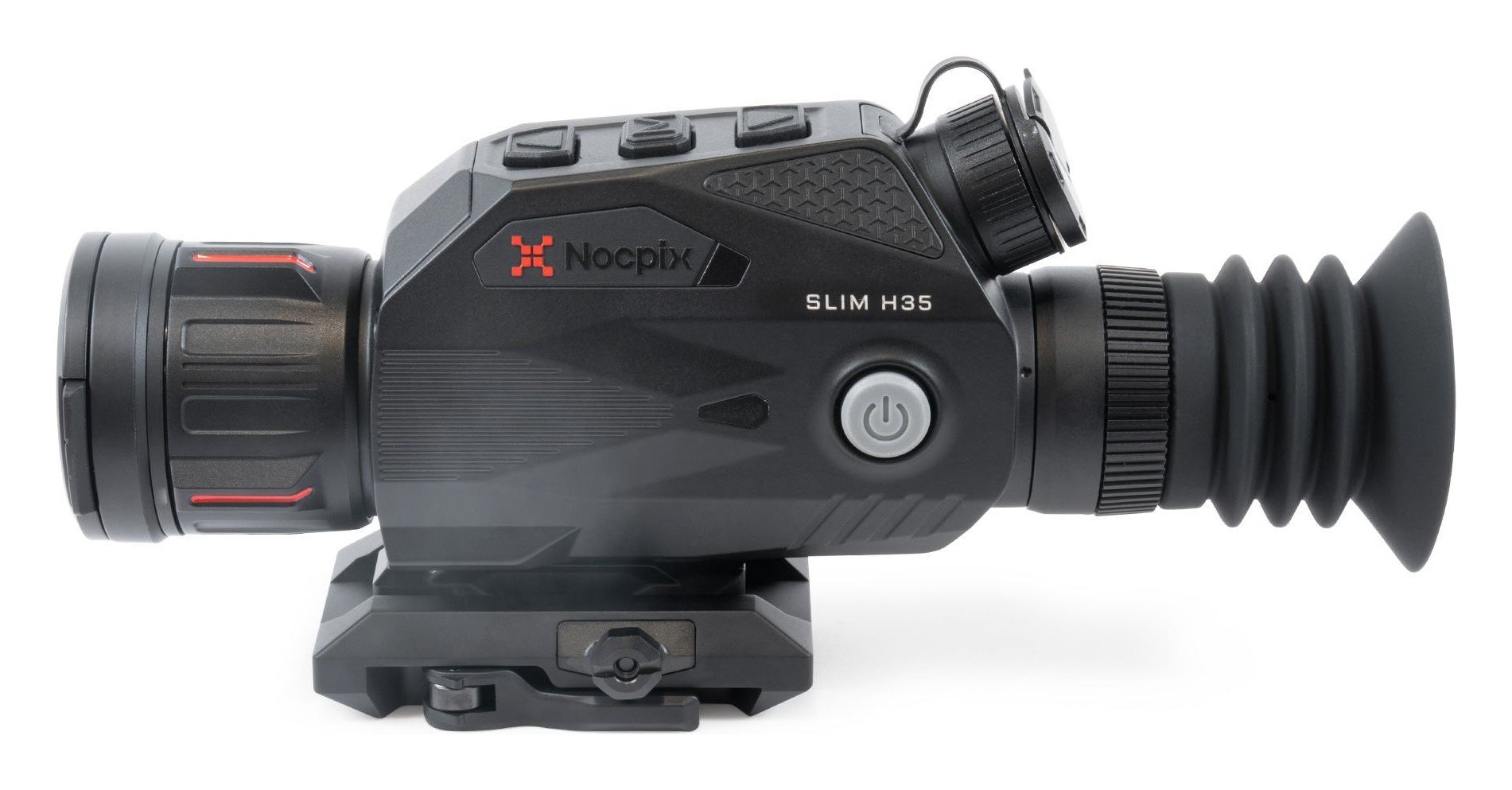
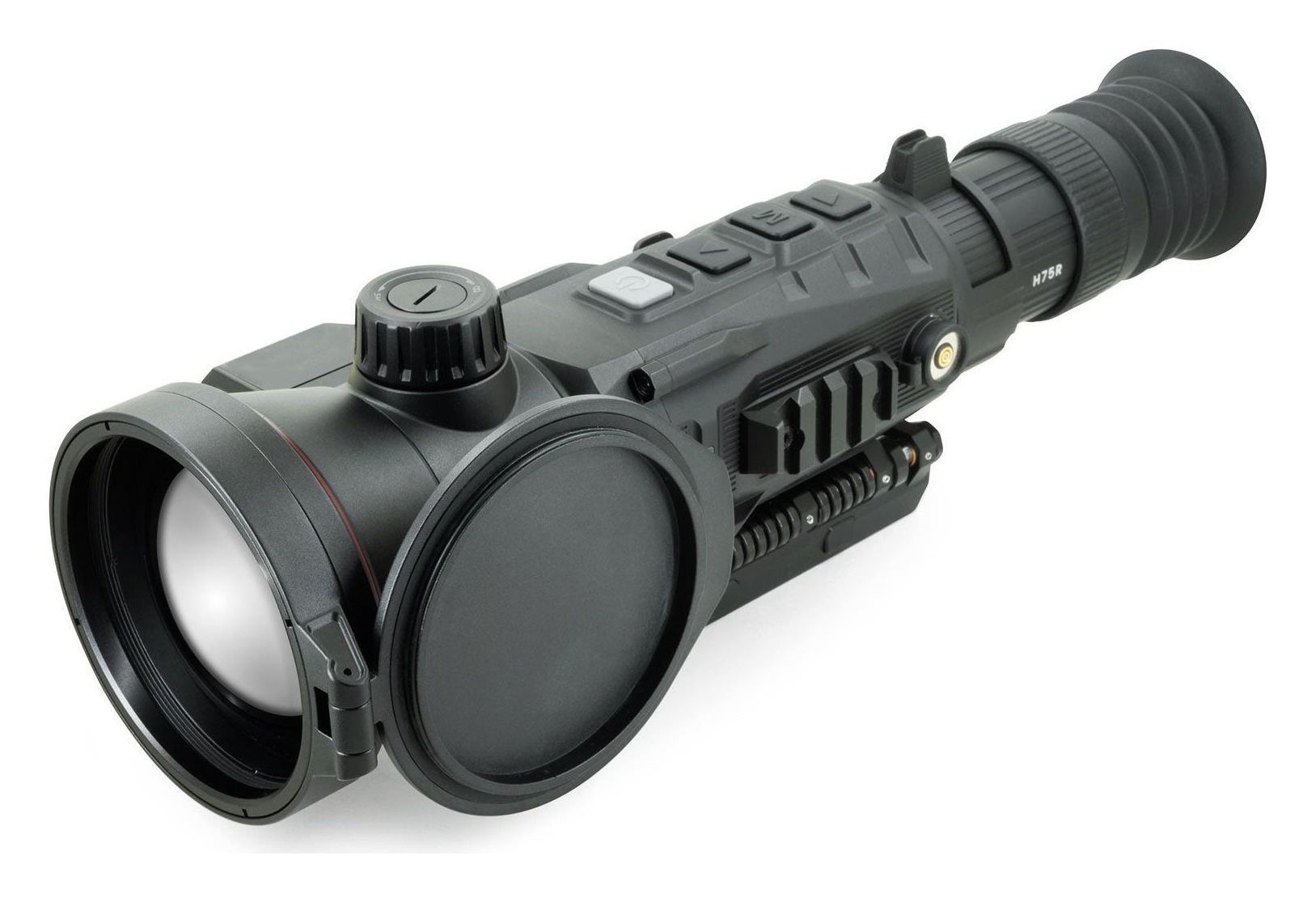
The extra $4,000 buys a 75 mm lens instead of 35 mm and a built-in laser rangefinder. 11 more scopes run this sensor, priced between these two.
What does an upgrade cost?
Common sensor and lens jumps, plus a built-in rangefinder. Average price differences across brands.
Most warranties end when you sell the scope — six carry to the next owner.
On a $3–10k scope, coverage matters as much as the spec. All 14 brands, ranked by how long the warranty runs and whether it stays with the scope when you sell.
Each brand’s terms come from its own warranty page, tracked per scope in our database — a brand whose lines carry different terms shows its range.
Buying from the right store saves about $900.
A typical scope here is listed by 11 stores at once, and the posted prices are almost never the same — on half our scopes the cheapest store is $875 or more below the most expensive one. Pick a brand to see who carries it and who prices it lowest.
Retailer listings cover 155 of 155 scopes. EuroOptic and Scopelist count as one store.